

As of last week, one in three states now have laws to #SaveGirlsSports. That’s more than double the number of states with similar laws last summer!
But now, the Biden Administration plans to propose a rule that would redefine “sex” in a federal law known as Title IX. This proposed rule will likely:
- Force girls to compete with males in girls’ sports.
- Force girls to share showers, locker rooms, and bathrooms with males.
- Force girls to give up scholarships and opportunities to males who identify as females.
It’s part of a broader effort to push woke ideology in our children’s schools, from school policies to curriculum and beyond.
Americans are not on board with this agenda – and key leaders agree. Earlier this spring we sat down with someone who helped safeguard Title IX: former Trump Education Secretary Betsy DeVos. Now, as we anticipate the coming Biden rule, we wanted to share that conversation with you today!
YOU’RE INVITED
Fighting for Our Children’s Futures
A Conversation with Secretary Betsy DeVos
TODAY – Tuesday, May 31
1 pm ET / 12 pm CT / 11 am MT / 10 am PT
Join us on Facebook or YouTube
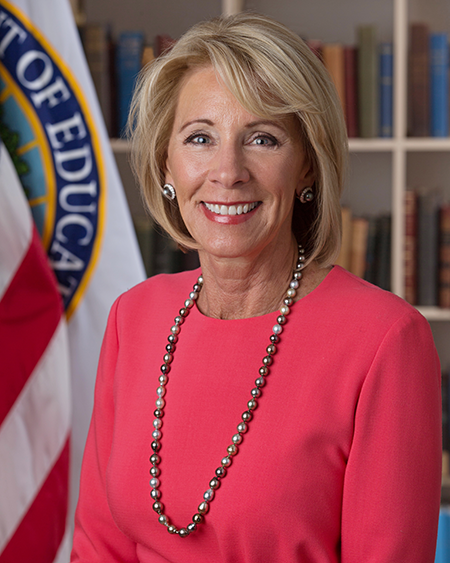 Secretary DeVos served as the 11th Secretary of Education under President Trump. She has been active in politics for over 35 years, having served in many leadership roles. In education policy in particular, she has been involved for nearly three decades as an advocate for children and a voice for parents. She is especially passionate about reforms that help underserved children gain access to a quality education.
Join us to hear about all things education reform, from educational freedom (school choice) to combatting woke ideology in schools. Whether you are a parent or grandparent, or just someone concerned about our children’s future, this is a conversation you won’t want to miss!
See you today on Facebook and YouTube! (If you are seeing this message late or miss joining us today, you can always watch the videos at these links any time.)


Meridian Baldacci
Director of Strategy
P.S. Be sure to pass this invitation along to a friend who should attend, too! You can forward this invite or tag them on Facebook!