Dear Friends,
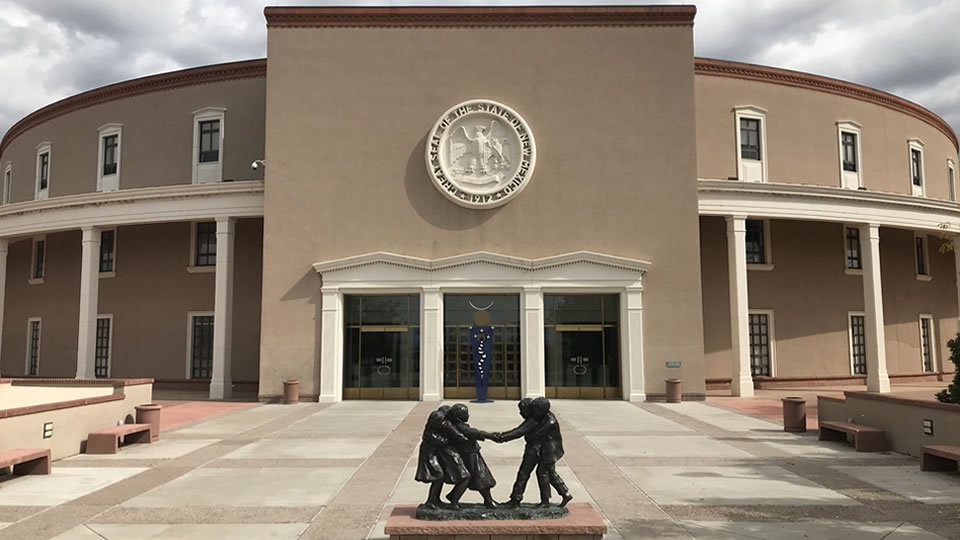
The New Mexico legislative session continues this week with rapid fire, and you are making an impact!
With so many pieces of legislation trying to be pushed through the capitol, Family Policy Alliance of New Mexico finds how and where we, you and I, can have the most impact. We are constantly tracking legislation that would impact our vision of a New Mexico where God is honored, religious freedom flourishes, families thrive, and life is cherished.
As we identify legislation that supports our vision, we determine how we can best support the bill and the sponsoring legislator. From communicating closely with legislators to putting out action alerts, and many steps in between, we are there to help you make an impact in passing that legislation for New Mexico.
In fact, just last week, the Senate Judiciary Committee was flooded with messages urging support of Senate Bill 158, a bill regarding discrimination that must be prohibited in the protection of life for those with disabilities.
YOUR VOICE WAS HEARD! On Monday, February 7, the Senate Judiciary Committee passed this life-protecting bill. Thank you for taking action through our Action Center and speaking out for life-saving legislation.
Our job isn’t finished!
While we are identifying legislation that supports our vision for New Mexico, we are also identifying legislation that would devastate that vision. Unfortunately, with a legislature that is heavily tilted to the left, there are many things that require our attention. Our goal is to then determine how we can make the best impact for a better outcome. From opposing bad policy to recognizing problematic language and offering help in creating amendments, we are activating best impact strategies.
It’s because of you!
Your support of Family Policy Alliance of New Mexico is what enables us to empower you! Thank you for your support, and thank you for taking action. In this final week of the legislative session, we need your voice and your support as we continue to make an impact for the good of New Mexico. Will you stand with us?
Standing with you,
Jodi Hendricks
Executive Director
P.S. Stay tuned for Action Alerts for legislation regarding life, education, and human rights.
Dear Friends,
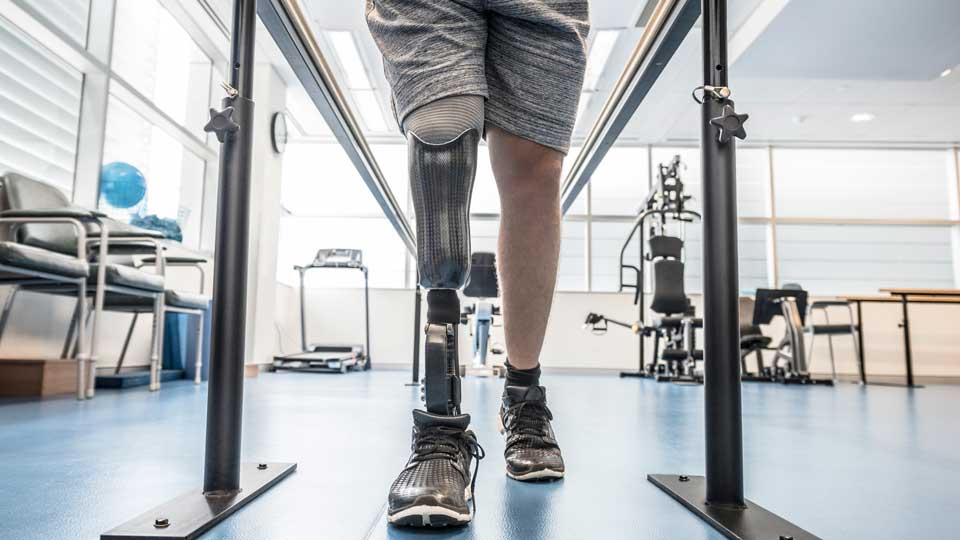
The Senate Judiciary Committee will soon consider Senate Bill 158 regarding discrimination that must be prohibited in the protection of life for those with disabilities.
Please, urge the senators on the committee to SUPPORT SB 158 to protect the right to life and equal treatment for New Mexico’s disabled.
We believe that life is a precious gift from God and should be protected from fertilization to natural end of life. SB 158 honors life by prohibiting discrimination against those with physical or mental disabilities who need transplant services, ensuring equal access to the care that is needed. No one with a physical or mental disability should be put to the end of the line or even withheld from the line simply because of their disability.
While this bill provides protections against life threatening discrimination, it also provides a very clear enforcement mechanism allowing for a civil lawsuit in the event of discrimination.
If you wish to see all New Mexicans treated equally and with respect, urge the senators on the committee to SUPPORT SB 158. It only takes a minute on our Action Center!
For Life,
Jodi Hendricks
Executive Director